
Best Time to Eat Natto: Morning, Afternoon, or Night?
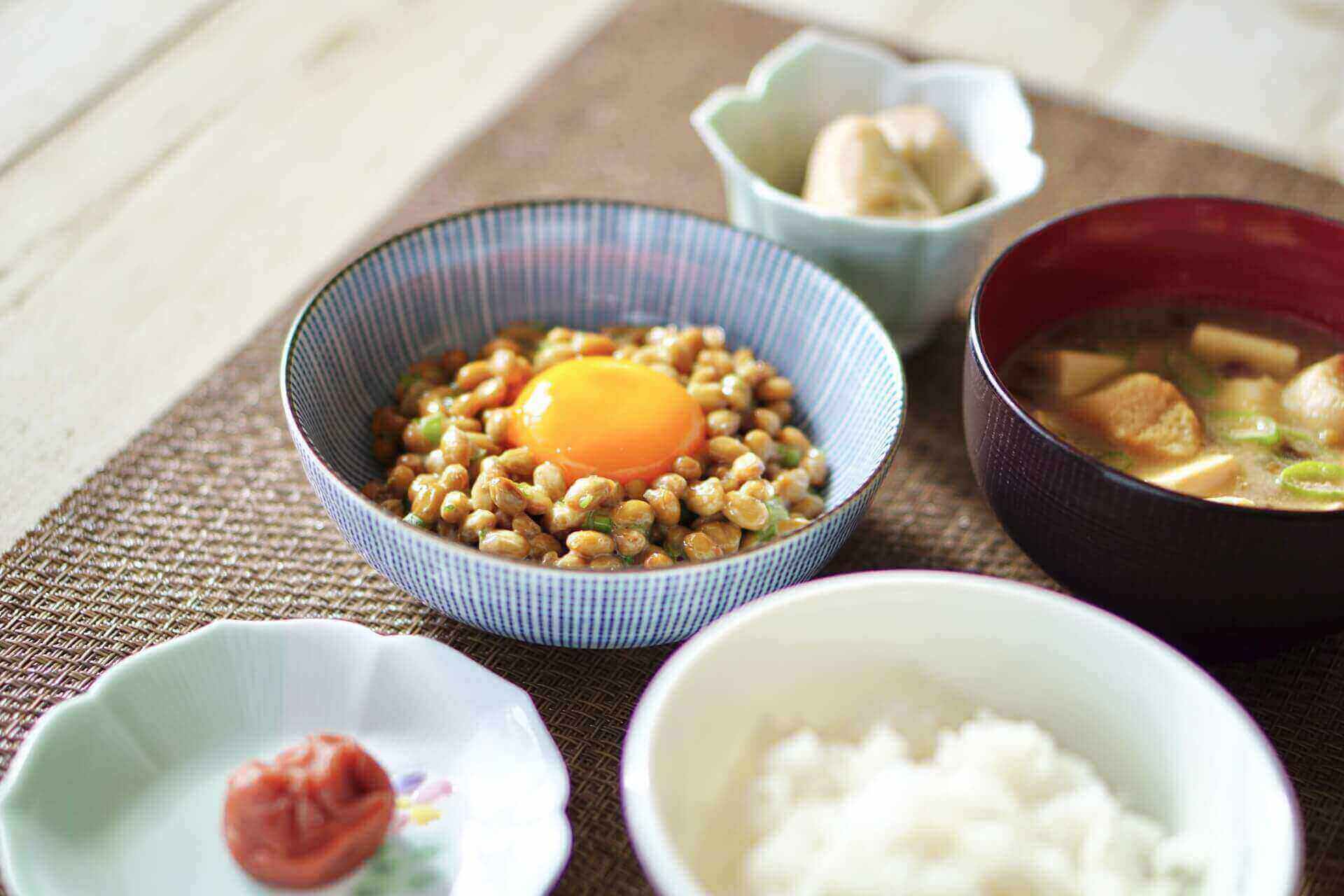
The best time to eat natto depends on your health goal. Morning is ideal for metabolism and circulation support, lunch may help maintain steady energy and mood balance, and evening can support recovery and skin health. The most important factor for Americans using natto for heart or gut support is consistent daily intake.
If you’re researching natto for cardiovascular wellness, cholesterol support, gut health, or longevity, timing can help you optimize how your body uses its nutrients.
What Is Natto?
Natto is a traditional Japanese fermented soybean food made using Bacillus subtilis. It has been consumed in Japan for centuries and is increasingly popular in the United States for its unique nutritional profile.
Natto contains:
- Nattokinase
- Vitamin K2 (MK-7)
- Plant-based protein
- Probiotics
- Fiber
- B vitamins
Its most studied compound is Nattokinase, an enzyme that supports healthy blood flow and normal circulation.
Because natto supports cardiovascular function, digestion, and metabolic activity, many Americans ask when they should take it for maximum benefit.
Morning: Best Time for Metabolism and Circulation Support
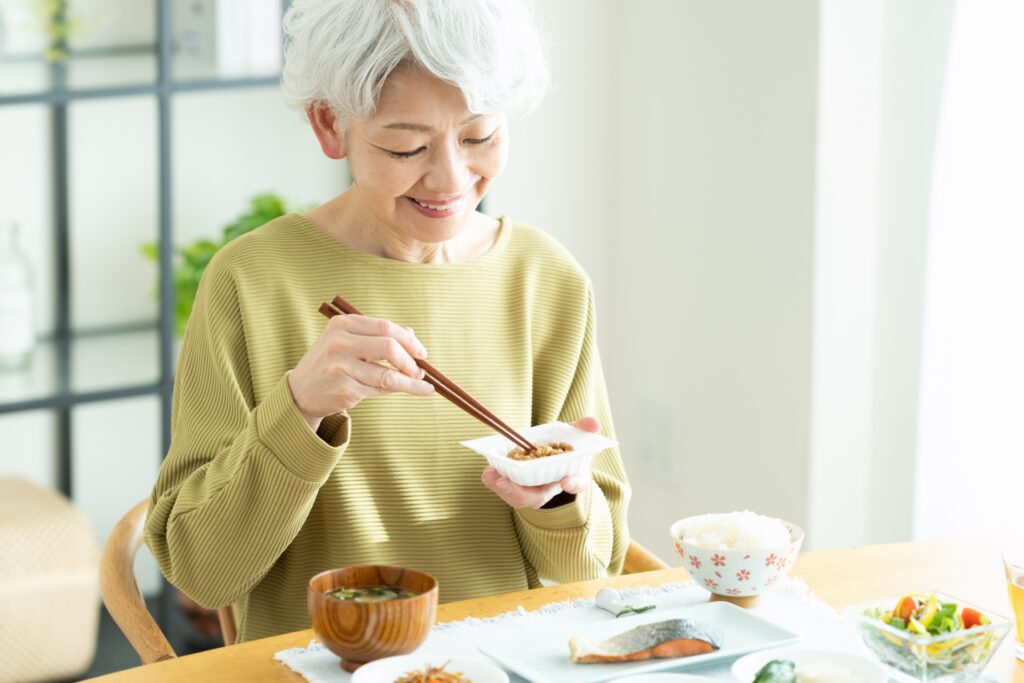
In Japan, natto is most commonly eaten at breakfast, often with steamed rice. For U.S. consumers focused on heart health and energy, morning may be the most strategic time.
Why Morning May Be Ideal
1. Supports Healthy Metabolism
Protein has a higher thermic effect than carbohydrates or fats. Eating protein-rich foods like natto in the morning may help:
- Support metabolic activity
- Maintain lean muscle
- Reduce mid-morning cravings
For Americans focused on weight management and metabolic health, morning protein intake is often recommended.
2. Supports Healthy Blood Flow Throughout the Day
Nattokinase supports normal circulation and healthy blood viscosity levels. Taking natto earlier in the day may help maintain healthy blood flow during daily activity. This is especially relevant in the U.S., where cardiovascular wellness is a major health focus.
3. Supports Active Lifestyles
If you work out in the morning or have a physically demanding job, natto provides amino acids that support muscle function and recovery.
In conclusion, natto in the morning is the best for:
- Metabolic support
- Active individuals
- Daily cardiovascular wellness routines
Tips for eating natto at breakfast:
- Eat natto with rice, or sprinkle natto powder on toast.
- Add to an omelet or blend into a savory smoothie.
- For lighter meals, stir into miso soup or cereal bowls.
Lunch: Best for Steady Energy and Mood Balance

Eating natto at lunchtime can help you stay focused and energized throughout the afternoon, especially if you have a sedentary or office-based job. For Americans with desk jobs or long workdays, lunchtime may be a strategic option.
Why Lunch Can Work Well
1. Helps Maintain Stable Energy
Natto is low in simple sugars and high in protein and fiber. This combination supports:
- Sustained energy
- Reduced afternoon energy dips
- Stable blood sugar levels within the normal range
2. Supports Mood Regulation
Natto contains tryptophan, which contributes to the production of Serotonin.
Serotonin plays a role in:
- Mood balance
- Emotional well-being
- Stress resilience
Later in the day, serotonin converts into Melatonin, which helps regulate normal sleep cycles.
This makes lunch a strategic timing option for those who want to support both daytime focus and nighttime rest.
Best for:
- Stress support routines
- Professionals
- Students
- Afternoon energy management
Tips for eating natto at lunch:
- Pair natto with a salad or brown rice bowl.
- Mix with avocado or tofu for a light, satisfying meal.
- Add to wraps or grain bowls with vegetables.
Evening: Can You Eat Natto at Night?

While natto is nutritious at any time, nighttime consumption has both benefits and caveats. Night sleep is the best time for our body to perform self-maintenance. A little-known secret is eating natto at dinner for beautiful skin!
Potential Evening Benefits
1. Supports Overnight Recovery
During sleep, the body activates natural repair processes. Natto provides:
- Amino acids
- Vitamin K2
- B vitamins
These nutrients support normal cellular maintenance and tissue repair.
2. Supports Skin Health
Fermented soy nutrients and vitamin K2 contribute to normal circulation and nutrient delivery, which can support overall skin appearance as part of a healthy diet.
Important Consideration
Metabolism naturally slows at night. Large portions combined with heavy carbohydrates may not align with weight-management goals.
If consuming natto at dinner:
- Keep portions moderate
- Pair with vegetables or light meals
- Maintain an active daytime routine
Best for:
- Recovery support
- Skin-focused wellness routines
- Light evening meals
Tips for eating natto at dinner:
- Keep portions moderate.
- Combine with vegetables or soups instead of heavy carbs.
- Stay active during the day to maximize nutrient absorption.
Does Timing Matter for Cardiovascular Wellness?
For Americans using natto for heart health support, consistency is more important than exact timing.
Daily intake of natto — particularly for its nattokinase and vitamin K2 content — supports:
- Normal circulation
- Healthy blood vessel function
- Cardiovascular wellness as part of a balanced lifestyle
Whether you take natto in the morning or evening, maintaining a consistent routine is key.
Final Thoughts: When Should You Eat Natto?
The best time to eat natto depends on your health goals:
- Morning for energy, metabolism, and physical performance
- Lunch for focus, mood balance, and better sleep later
- Evening for skin health and overnight recovery
There’s no wrong time, only the right time for your needs. Whether you’re new to natto or a longtime fan, experimenting with timing can help you enjoy even more of its health benefits.
What If You Don’t Like Traditional Natto?
Traditional natto has a strong aroma and sticky texture that many Americans find challenging. For those looking for authentic Japanese-sourced natto powder designed for daily cardiovascular and gut support, sonomonno.co offers natto powder capsules or natto powder products for the same benefits without the strong flavor or preparation time.
sonomono premium products provide:
- Original Japanese probiotics (Bacillus subtilis var. natto in spore form)
- Natural nattokinase content
- Vitamin K2 (MK-7)
- Fermented soybean nutrients
- No strong smell or texture
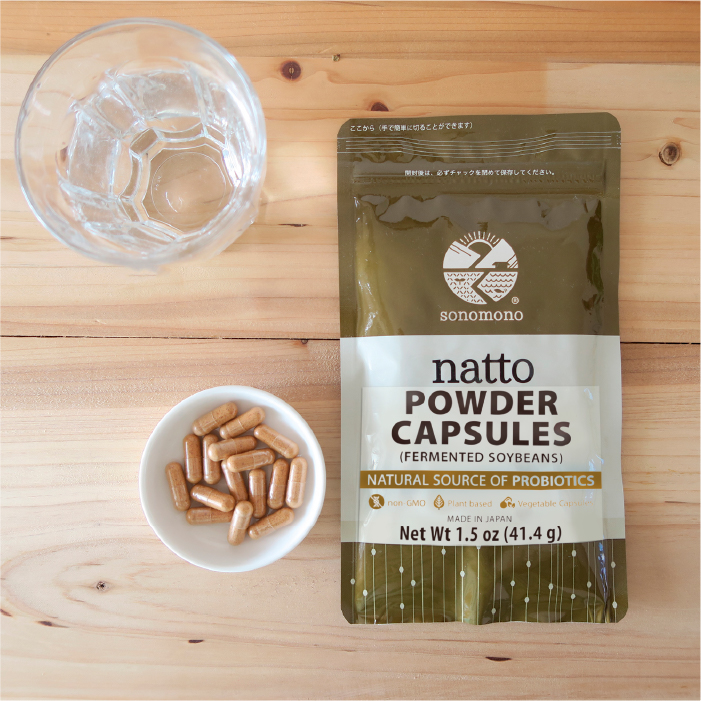
Natto Powder Capsules
Pure freeze-dried natto powder, fermented with the exclusive sonomono Natto Bacteria. The soybeans of this premium product are grown without chemical pesticides or fertilizers in Kohoku Town, Saga Prefecture. The powder is encapsulated in plant-based hard capsules, gentle to the body. The easiest way to incorporate natto’s nutrients and “spore-form natto bacteria into your daily routine.
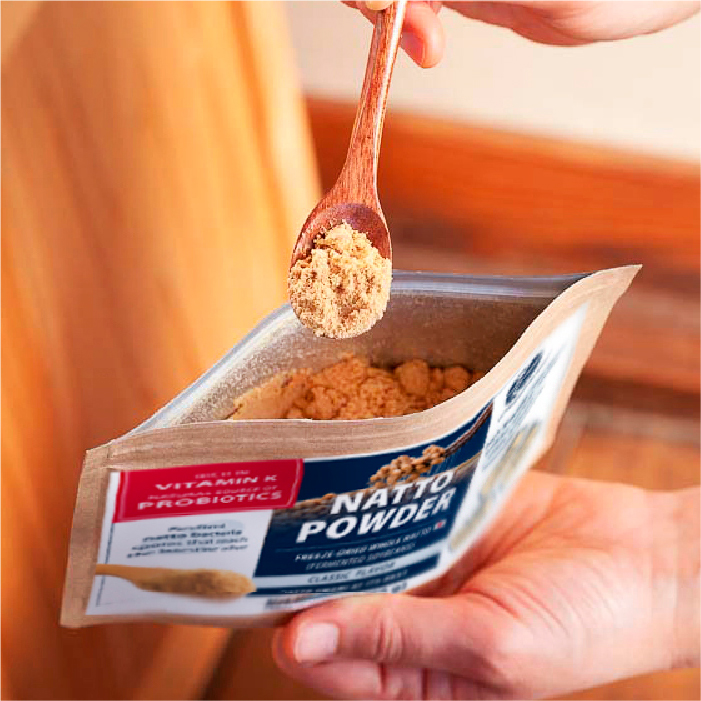
Natto Powder
100% natto, made with soybeans grown in Kohoku Town, Saga Prefecture, cultivated without chemical pesticides or fertilizers, and fermented with sonomono Natto Bacteria TM. Our proprietary freeze-drying technology allows the efficient intake of natto’s nutrients and “spore-form natto bacteria.” Use to boost the flavor and nutrition of your favorite food.