
Vitamin K2 and Calcium: How Natto Supports Strong Bones and Cardiovascular Health
Vitamin K2 plays a critical role in how the body uses calcium. While calcium is essential for strong bones, it must be properly regulated. Vitamin K2 helps activate proteins that guide calcium into bones and teeth while supporting normal blood vessel function. Among natural foods, natto is the richest plant-based source of vitamin K2 in the form of MK-7.
For Americans focused on bone density, cardiovascular wellness, and healthy aging, understanding this relationship is increasingly important.
Japan’s Longevity and the Role of Traditional Fermented Foods
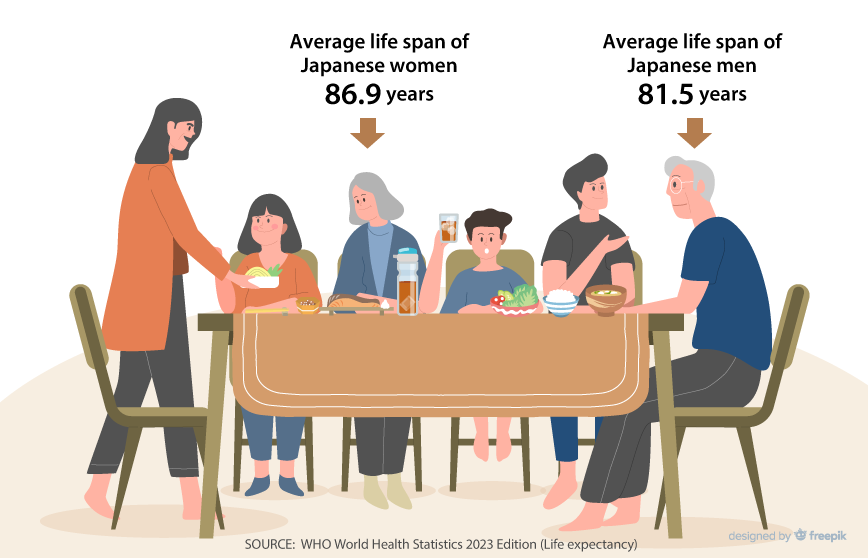
According to data from the World Health Organization, Japan consistently ranks among the countries with the highest life expectancy.
This has prompted decades of research into the traditional Japanese diet. Despite modern lifestyle risk factors, Japan maintains comparatively favorable cardiovascular and bone health patterns.
One dietary distinction is the regular consumption of Natto — a fermented soybean food that contains exceptionally high levels of vitamin K2 (MK-7). While longevity is multifactorial, consistent intake of nutrient-dense fermented foods appears to be one contributing factor.
The French Paradox and the Role of Diet in Longevity
The French Paradox refers to the observation that, despite a diet rich in fats and red meat, the French experience lower rates of heart disease compared to other Western countries. Researchers attribute this to the polyphenols in red wine, which are believed to support cardiovascular health. Japan presents its own version of this paradox. Traditional Japanese diets, rich in fermented foods, seaweed, and plant-based nutrients, have long been associated with better vascular health and bone strength. One key component of this diet is Vitamin K2, an essential nutrient found in natto—a fermented soybean dish that has been consumed in Japan for centuries.
Why Calcium Imbalance Can Affect Heart and Bone Health
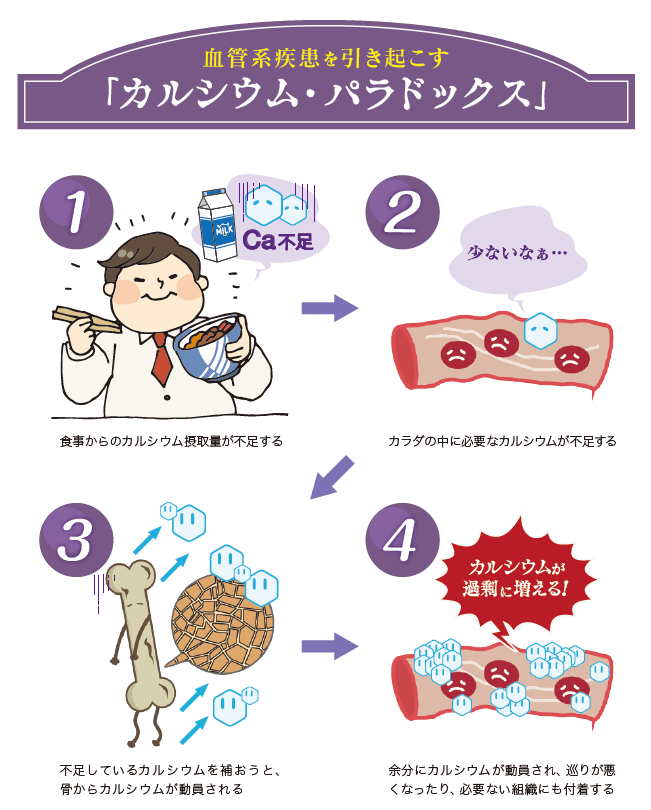
Calcium is widely known for supporting strong bones and teeth. However, calcium metabolism is complex.
If dietary intake or regulation is imbalanced:
- The body may draw calcium from bones.
- Bone mineral density can decline over time.
- Calcium may accumulate in soft tissues instead of bones.
This imbalance is sometimes described as the “calcium paradox” — when calcium is present in the body but not optimally directed.
Maintaining proper calcium utilization is just as important as total calcium intake.
Calcium Alone Is Not Enough
In the United States, calcium supplementation is common, particularly among adults over 40. However, calcium intake alone does not determine bone strength.
Calcium must be:
– Absorbed effectively
– Incorporated into bone tissue
– Prevented from depositing in soft tissues
Without adequate regulatory nutrients, calcium metabolism may become inefficient. This is where Vitamin K2 becomes critical. Vitamin K2 supports the activation of osteocalcin and other proteins involved in normal bone mineralization and vascular health. In simple terms, it helps ensure calcium is used appropriately by the body.
For individuals focused on long-term skeletal integrity and arterial flexibility, this regulatory role is essential.
How Vitamin K2 Supports Calcium Regulation
Vitamin K comes in multiple forms:
- K1 (phylloquinone), found in leafy greens
- K2 (menaquinones), found in fermented foods and certain animal products
The most researched form for bone and vascular health is vitamin K2 as MK-7.
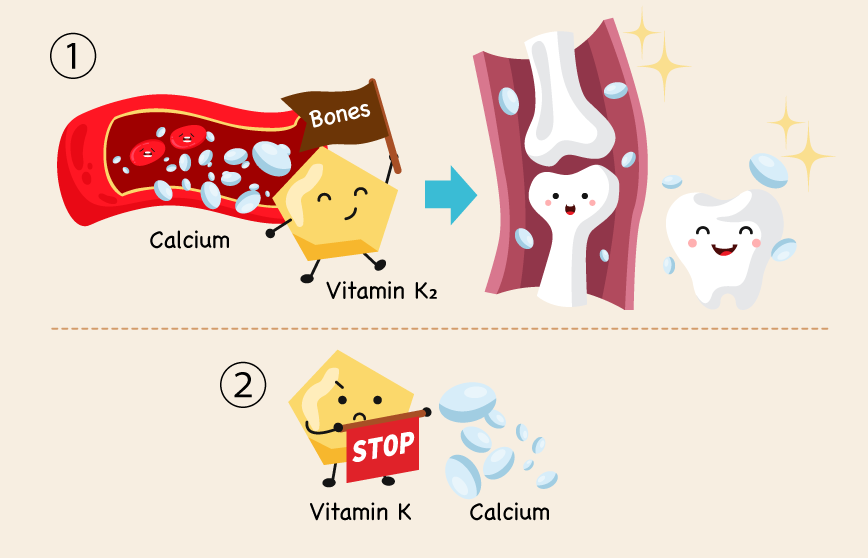
Vitamin K2 plays a key role in activating proteins involved in calcium transport.
Specifically, vitamin K2 helps:
- Support normal bone mineralization
- Promote proper calcium utilization
- Support healthy blood vessel function
- Maintain arterial flexibility
In simple terms, vitamin K2 helps guide calcium to where it belongs — primarily bones and teeth — while supporting overall cardiovascular wellness.
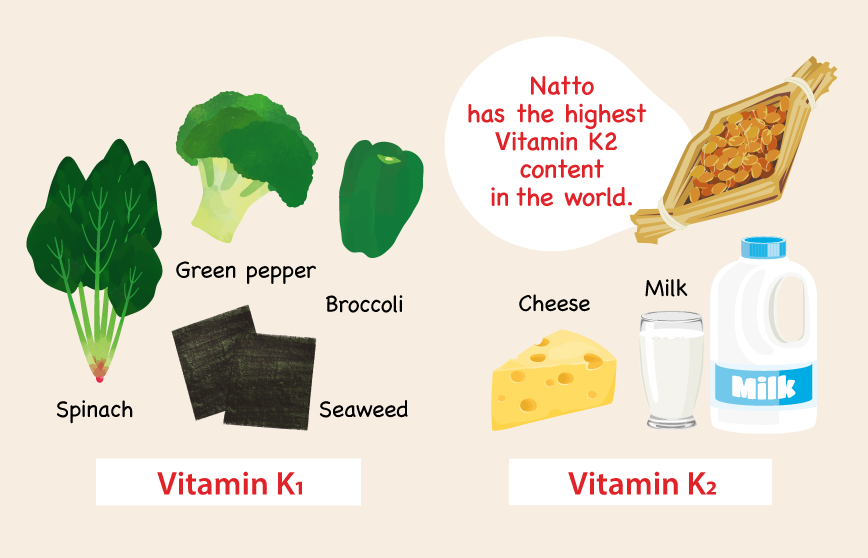
Vitamin K can be found in a variety of foods, including vegetables, seaweed, fermented foods, and dairy. “Natto,” a traditional Japanese fermented food, is a unique source that naturally contains vitamin K2. It provides a notable amount of this nutrient in a single serving, making it a beneficial addition to a balanced diet.
Natto: The #1 Plant-Based Source of Vitamin K2 (MK-7)
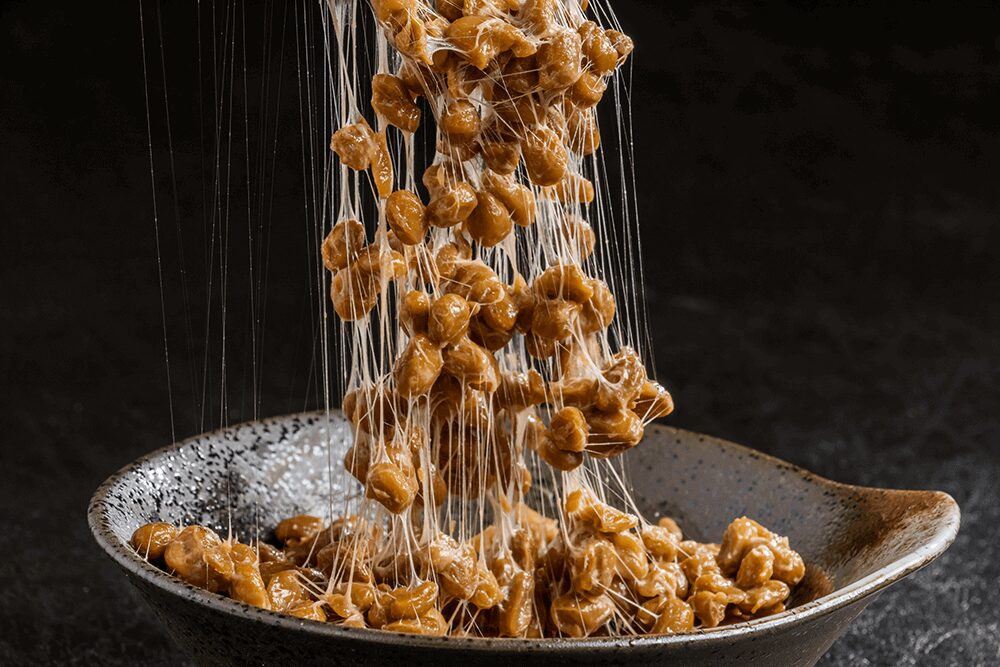
Among natural foods, natto stands out as the richest plant-based source of vitamin K2 in the form of MK-7.
Compared to leafy greens or dairy products:
- Natto contains significantly higher levels of MK-7
- MK-7 has a longer half-life in the body
- It remains bioactive for extended periods
Because of this, natto has become a focus of research in bone health and healthy aging discussions.
Regular consumption of natto as part of a balanced diet may support:
- Healthy aging strategies
- Bone density maintenance
- Healthy calcium metabolism
- Cardiovascular wellness
Vitamin K2, Bone Density, and Aging in the U.S.
In the United States:
- Millions of adults are concerned about bone strength after age 40
- Postmenopausal women are particularly focused on bone density
- Cardiovascular wellness remains a top health priority
While calcium supplements are common, calcium alone does not regulate where it is deposited in the body.
Vitamin K2 works alongside:
- Calcium
- Vitamin D
- Magnesium
to support balanced bone metabolism and overall structural health.
Rather than focusing solely on increasing nutrient intake, the more advanced perspective is optimizing nutrient utilization. This shift in thinking — from “more calcium” to “better calcium regulation” — reflects a more sophisticated approach to preventive nutrition.
Key Takeaways
- Vitamin K2 (MK-7) supports proper calcium utilization.
- Natto is the richest plant-based source of vitamin K2.
- Balanced calcium metabolism supports both bone density and cardiovascular wellness.
- Consistent dietary intake matters more than occasional supplementation.
For Americans focused on bone health, heart wellness, and longevity, incorporating vitamin K2-rich foods into a balanced diet can be a strategic step. If traditional natto isn’t practical for your lifestyle, high-quality natto powder provides a convenient way to maintain consistent vitamin K2 intake without preparation challenges.