
Why Natto is Recommended for Baby Food: Safe from the Mid-Weaning Stage

Babies grow rapidly during infancy, and every child develops at their own pace. This can make the weaning period challenging for parents, often raising questions like, “Is this the right food?” or “Is there a better ingredient or method?”
In this article, we focus on why natto is a great choice for baby food, covering when to start, recommended amounts, and safe ways to serve it. Whether you’re a new parent or looking for nutritious meal ideas, this guide provides practical advice for introducing Japan’s beloved fermented soybean dish to your little one.
Natto Can Be Given from the Mid-Weaning Stage — Around 7 to 8 Months Old
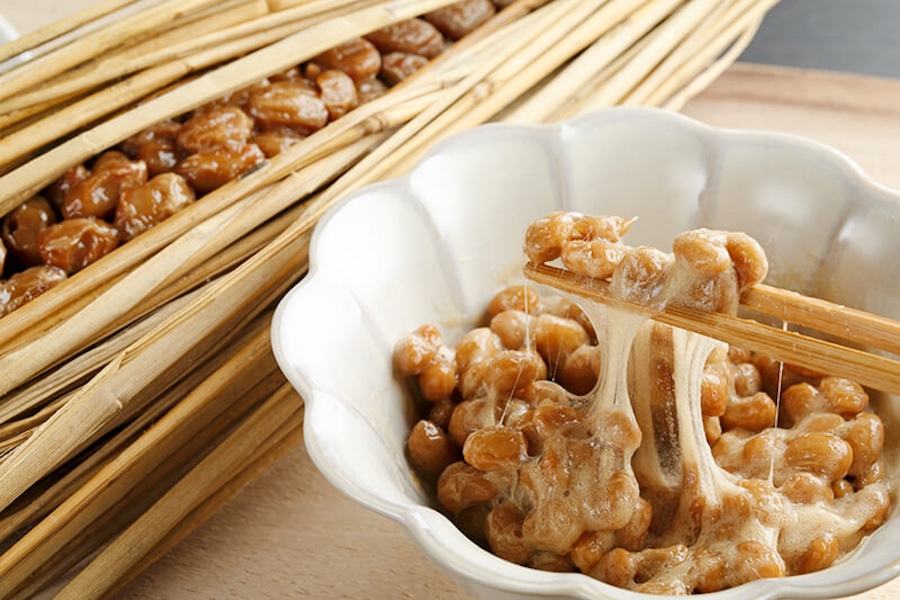
Rich in nutrients and naturally sticky, natto is an excellent food for weaning babies. Its smooth texture makes it easy to add mild thickness to meals, helping babies swallow more comfortably. It’s a nutritious, versatile ingredient every parent can confidently include in their baby’s diet.
Natto contains plant-based protein derived from soybeans, along with a well-balanced mix of vitamins, minerals, dietary fiber, iron, and calcium—all essential nutrients for growing infants.
In fact, one standard pack of natto (50 g) provides impressive nutrition compared to the daily recommended intake for babies aged 6–11 months:
- Vitamin K: Over 40 times the recommended amount
- Calcium: About 18%
- Iron: About 34–38%
As babies grow, their intestinal bacteria increase naturally. Once weaning begins, they start taking in both beneficial and harmful bacteria through food. Natto bacteria (Bacillus subtilis var. natto) help promote healthy gut flora, making natto one of the best foods for supporting digestive balance in infants and children.
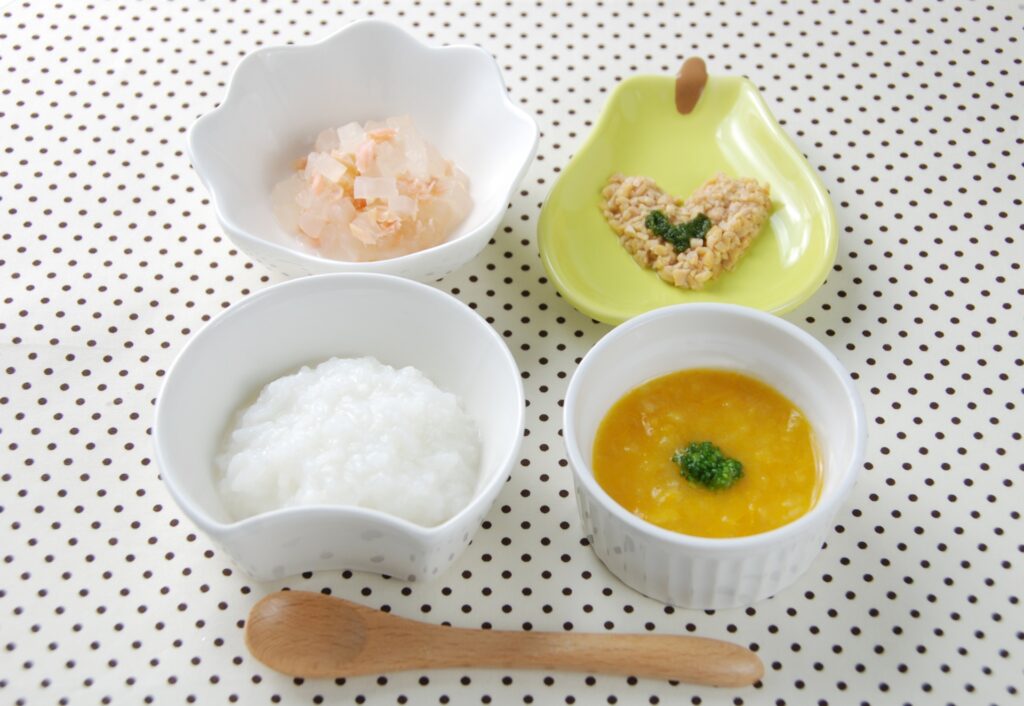
So, when is the right time to start?
Generally, the mid-weaning stage, around 7 to 8 months old, is recommended. This is because babies at this age are more accustomed to a variety of foods and flavors, making it easier for them to accept natto’s unique texture and aroma.
However, if you grind natto into a smooth paste or use powdered natto mixed with other foods, it can safely be introduced even earlier, from around 5 to 6 months of age, during the initial weaning stage.
How to Give Natto as Baby Food?
①Using Packaged Natto from the Store
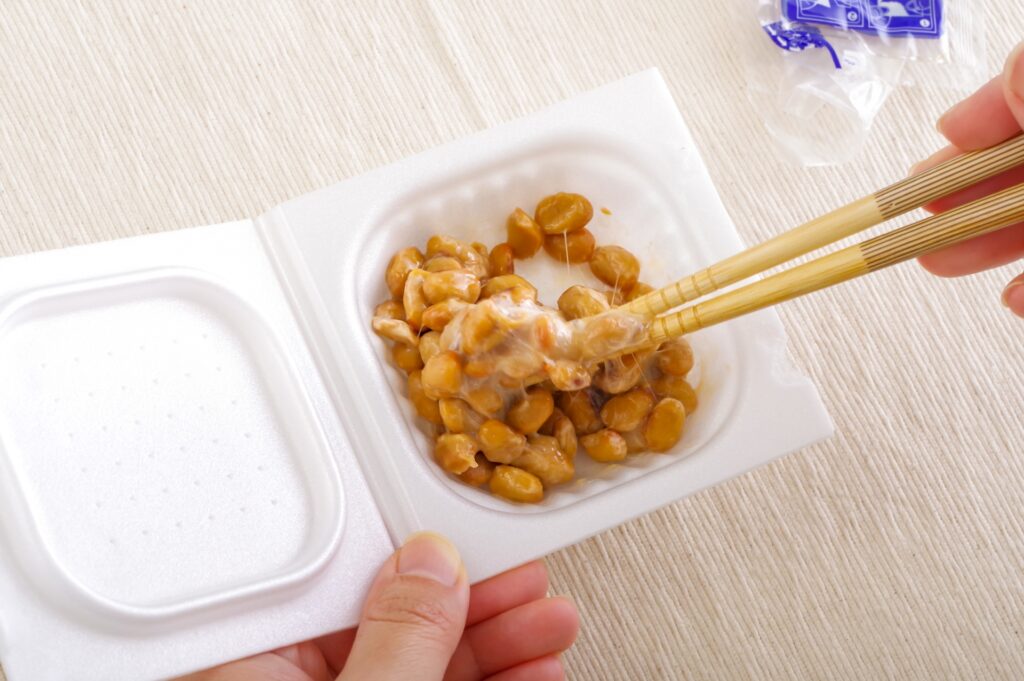
The simplest method is to use regular natto packs sold at supermarkets. They are affordable and easy to find.
However, preparing them for babies requires some extra effort: you’ll need to boil briefly to reduce the stickiness, chop finely, or blend into a smooth paste. Cleaning up can also be a bit tricky due to the sticky texture, and the portion size may be hard to adjust.

Additionally, natto has a distinct smell that some parents may find unpleasant, which can make preparation less appealing for those who are sensitive to strong odors.
②Using Natto Paste or Natto Powder
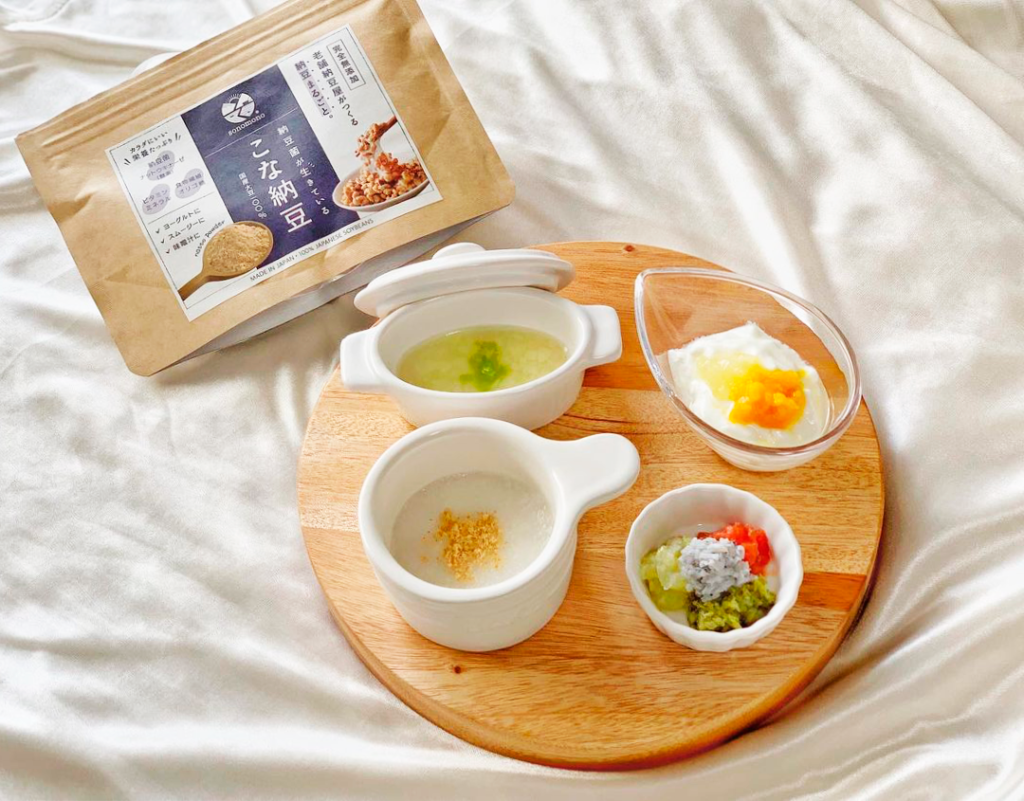
Another convenient option is to use ready-made baby natto paste or powdered natto, available from various baby food brands. For example, our product “sonomono Natto Powder” is a powdered form of natto without the sticky texture, making it easy to mix into baby food. Just a spoonful (about 1.5 g) can provide the following *nutrients for babies aged 6–11 months:
- Vitamin K: 200–250% of the daily recommended intake
- Calcium: 1.2–1.7%
- Iron: 2–2.2%
It still contains the natural sticky components of natto, giving baby food a gentle thickness that’s easy to eat.
(*Note: The nutritional values of Kona Natto are approximate and not guaranteed.)
Both options have their pros and cons, so choose the method that best fits your lifestyle. Whether you use store-bought packs or convenient powder, incorporating natto into your baby’s meals is an easy way to add nutrition and variety to their diet.
How Much Natto Should You Give to Your Baby?

The right portion of natto depends on each baby’s appetite and stage of development, so there’s no single rule. However, according to the Japanese Ministry of Health, Labour and Welfare’s “Breastfeeding and Weaning Support Guide”, which lists tofu as a reference food, you can estimate the following amount when starting natto during the mid-weaning stage:
- Recommended serving: about 10–15 grams per meal
If you’re also including meat, fish, or other protein sources in the same meal, simply reduce the natto portion to balance the total protein intake.
As your baby grows, gradually increase the amount while observing how they respond. Since every baby starts weaning at a slightly different time, adjust the quantity at your own pace to suit your child’s development.
Recommended Natto Baby Food Recipes
Here are some easy, nutritious ways to add natto to your baby’s diet using sonomono Natto Powder suggestedd by some of our customers.
Rice Porridge × Natto Powder
RECIPE
Simply sprinkle sonomono Natto Powder Regular/Classic over warm rice porridge. It blends easily and gives the meal a mild, savory flavor.。
Recipe by: ri_kai97
Miso Soup × Natto Powder
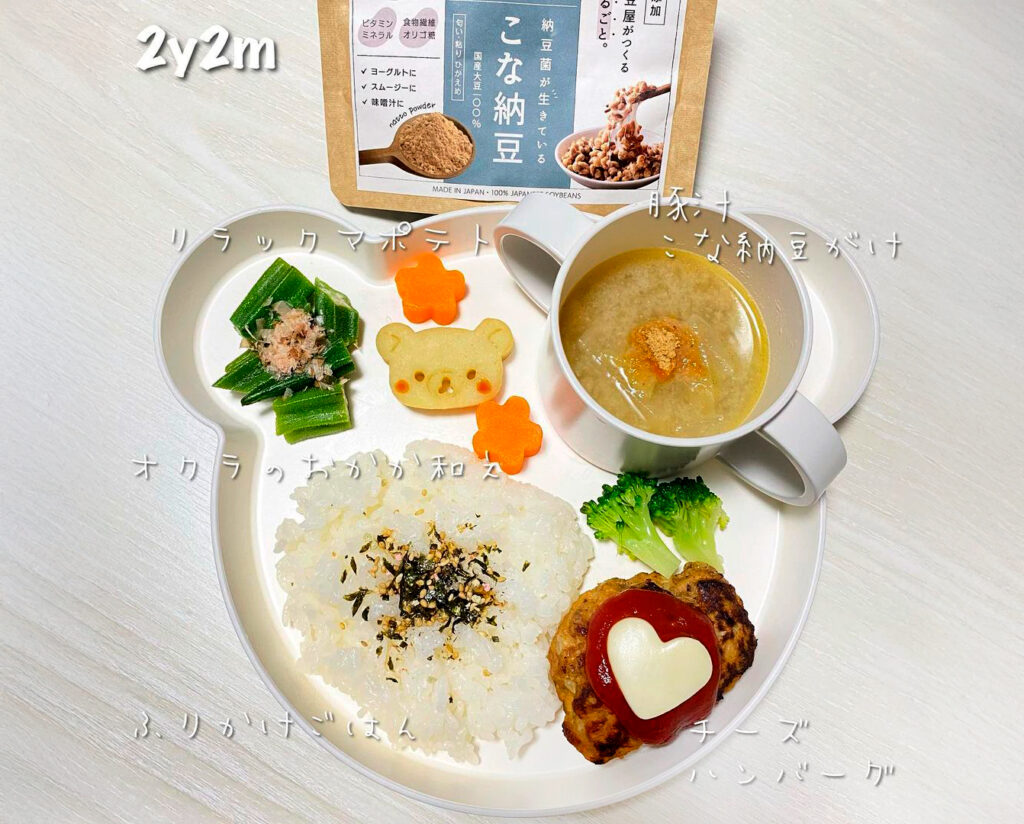
RECIPE
Add a small amount of sonomono Natto Powder Mild into miso soup for extra nutrition and a subtle umami boost.
Recipe by: leah_babyfood
Baby Pancake (Oyaki) × Natto Powder
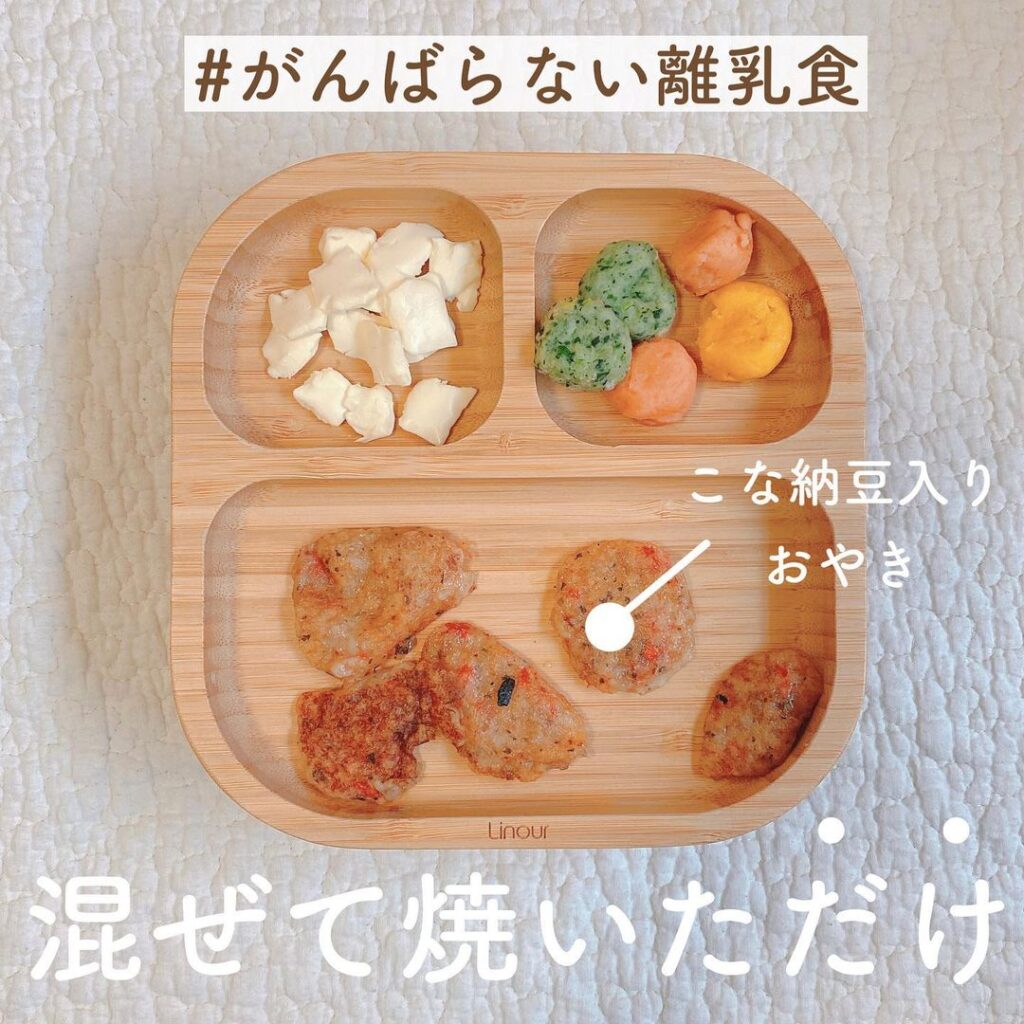
RECIPE
Mix sonomono Natto Powder Regular/Classicto into baby pancakes (oyaki) before cooking. It adds gentle stickiness and boosts protein and vitamin K.
Recipe by: furushimake
Can You Freeze Natto for Baby Food?
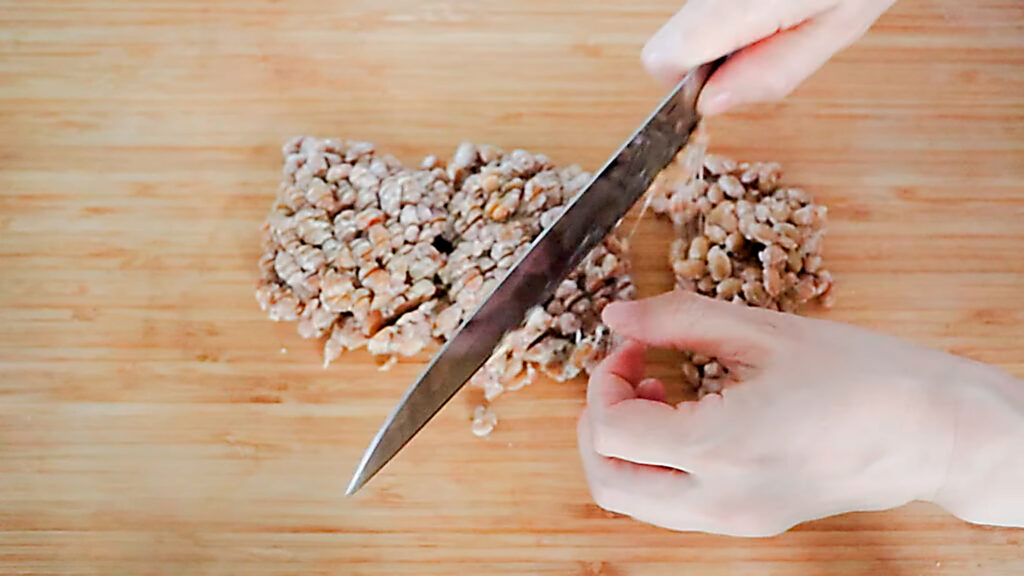
Yes! Freezing natto is perfectly safe and convenient, making it easy to keep on hand for baby meals. You can store frozen portions and simply thaw them when needed. Interestingly, when natto is thawed together with dry ingredients, it creates a pleasantly smooth and slightly thick texture that blends well in baby food.
Freezing does not significantly affect natto’s nutritional value. The levels of protein, vitamin K, calcium, and other nutrients remain almost unchanged. Moreover, natto bacteria (Bacillus subtilis var. natto) are extremely resilient — they don’t die when frozen. Instead, they enter a dormant state and become active again once the temperature rises to around 20°C (68°F).
That means you can safely assume that the health benefits of natto remain intact even after freezing.
How to Freeze Natto for Baby Food
- Remove the natto from its package and wrap it tightly in plastic wrap before freezing.
- It’s actually easier to cut frozen natto into small portions after it’s solid — use a knife to divide it into baby-sized servings.
- Once cut, wrap each piece individually, place them in a freezer-safe bag, and remove as much air as possible before sealing.
How to Thaw Frozen Natto
- Natural thawing: Leave it wrapped at room temperature until soft.
- Refrigerator thawing: For the best quality, transfer it to the fridge the night before and let it thaw slowly.
- Avoid high heat: While using a microwave or hot water can save time, natto’s enzymes (like nattokinase) and vitamins are heat-sensitive, so it’s best to thaw gently to preserve its nutritional benefits.
Natto Helps Supplement Nutrients Often Lacking in Infants and Young Children‘s Diet

According to the “Dietary Reference Intakes for Japanese (2020 Edition)”, nutrients that are often insufficient in infants and young children diet include:
- Dietary fiber
- Vitamin D
- Vitamin K
- Calcium
- Iron
Natto contains most of these nutrients except vitamin D. While vitamin D must be obtained from other foods or about 30–60 minutes of sunlight exposure, natto provides a substantial portion of the other essential nutrients, making it an excellent addition to a child’s diet.
Key Nutrients in Natto and Their Benefits
1. Dietary Fiber
Insufficient dietary fiber in children can contribute to constipation and may increase the risk of cardiovascular disease in adulthood. The report emphasizes that constipation is a common health concern in children, highlighting the importance of fiber intake.
2. Vitamin D
Vitamin D deficiency can lead to rickets, hypocalcemia, and reduced immune function. Risk factors include exclusive breastfeeding, maternal vitamin D deficiency, and limited sun exposure. Natto does not provide vitamin D, so other sources are necessary.
3. Vitamin K
Vitamin K deficiency can delay blood clotting and increase the risk of bone fractures due to impaired bone formation. Since vitamin K does not easily cross the placenta and its content in breast milk is low, newborns are especially at risk. Natto is rich in vitamin K, helping to address this common deficiency in infants.
4. Calcium
Calcium is essential for bone formation. During childhood, calcium needs increase alongside growth, and natto provides a valuable source to support healthy skeletal development.
5. Iron
Iron deficiency can lead to iron-deficiency anemia, which is particularly common in late infancy (weaning period). Reports indicate a prevalence of about 4% in children aged 6–18 months. Natto contains a significant amount of iron, helping prevent deficiency.
Overall, except for vitamin D, natto efficiently supplies the nutrients that infants and young children diets often lack. This makes it an ideal food for weaning and early childhood nutrition, combining both protein and micronutrients in a single, easy-to-eat dish.
When Should You Start Weaning Your Baby?
According to the “Japan Breastfeeding and Weaning Support Guide” (2019 Revision), most infants begin weaning at around 6 months of age (based on a 2016 survey). This represents a slight shift compared to 2005, with the peak starting age delayed by about one month.
Key points from surveys include:
- Over 80% of caregivers use “age in months” as the primary indicator for starting weaning.
- The completion of weaning most commonly occurs between 13–15 months, accounting for 33.3% of responses, also slightly later than in 2005.
- A small percentage (4.1%) reported completing weaning after 19 months.
Based on these findings:
- Exclusive milk feeding (breastmilk or formula) is generally recommended from birth until 4–6 months.
- The combination of milk and solid foods typically begins after 4–6 months.
There is no strict cutoff for completing weaning, as timing depends on individual growth, developmental readiness, and family circumstances. The Dietary Reference Intakes for Japanese (2020 Edition) also suggests starting weaning after 6 months of age.
Final Thoughts: Introducing Natto Safely in Baby Food
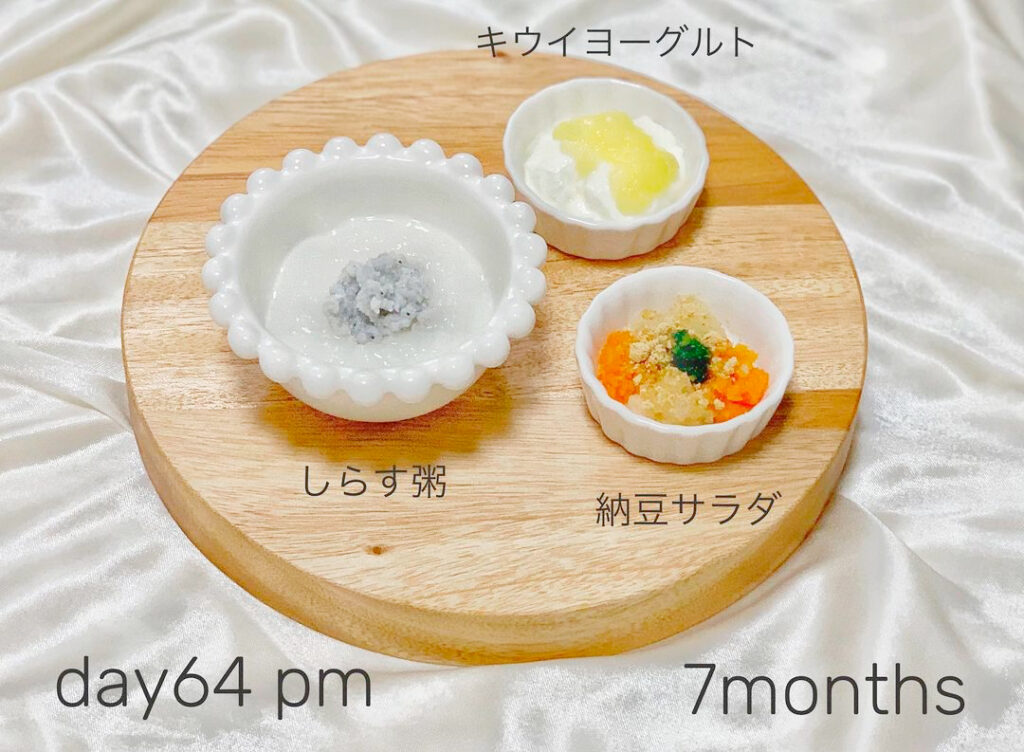
Natto is a nutrient-rich, versatile food that can be a valuable addition to a baby’s diet, providing protein, vitamin K, calcium, iron, and dietary fiber — nutrients that are often lacking in infants and young children. Its natural stickiness also makes it easy to mix into various weaning foods, such as rice porridge, miso soup, or small pancakes.
Timing and portion size should be tailored to each child’s developmental stage and individual needs. Most experts recommend starting weaning around 6 months of age, gradually introducing natto in small amounts during the mid-weaning stage (around 7–8 months), while carefully monitoring your baby’s tolerance and reaction.
Important note: This article is intended for informational purposes only. It does not constitute medical advice. Always consult your pediatrician or a qualified healthcare professional before introducing new foods, especially fermented foods like natto, into your baby’s diet. Individual allergies, sensitivities, or health conditions may affect your child’s suitability for natto or other foods.
By following safe preparation methods and observing your baby’s response, you can explore natto as a nutritious and culturally rich option for weaning, while supporting their growth and development.
References/Websites (Japanese only)Breastfeeding and Weaning Support Guide (2019 Revised Edition): Ministry of Health, Labour and Welfare
https://www.mhlw.go.jp/content/11908000/000496257.pdf
Report of the Committee for the Development of the Dietary Reference Intakes for Japanese (2020 Edition)
https://www.mhlw.go.jp/content/10904750/000586553.pdf
Infant Diet and Nutrition: Chiba Prefecture Dietitians Association (Public Interest Incorporated Association)
https://www.eiyou-chiba.or.jp/commons/shokuji-kou/generational/nyuyoujiki/
Standard Tables of Food Composition in Japan, 2020 Edition (8th Edition), Chapter 2 (Data)
https://www.mext.go.jp/a_menu/syokuhinseibun/mext_01110.html
Looking for a convenient way to enjoy natto?
Try natto natto powder products for the same benefits without the strong flavor or preparation time.
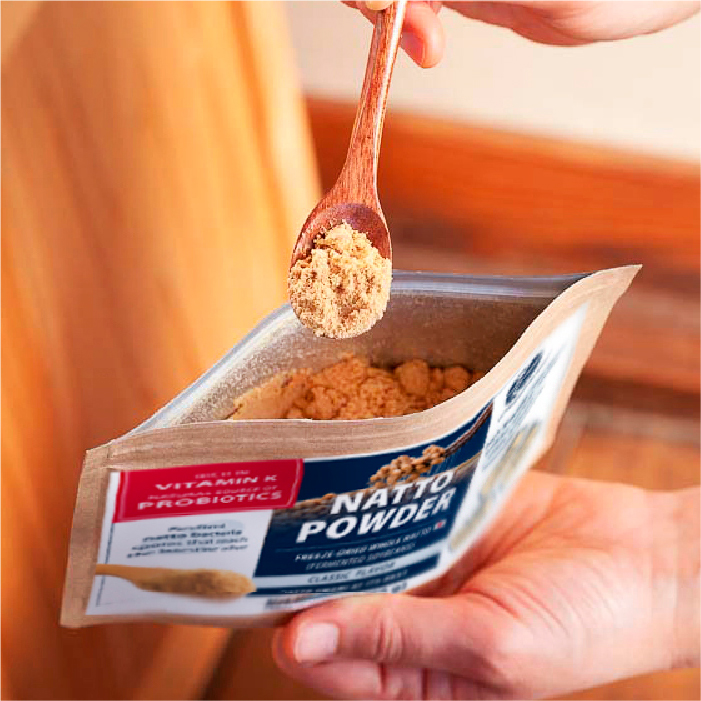
Natto Powder
100% natto, made with soybeans grown in Kohoku Town, Saga Prefecture, cultivated without chemical pesticides or fertilizers, and fermented with sonomono Natto Bacteria TM. Our proprietary freeze-drying technology allows the efficient intake of natto’s nutrients and “spore-form natto bacteria.” Use to boost the flavor and nutrition of your favorite food.