
“Natto Day” on July 10: Origins and Traditional Customs Explained
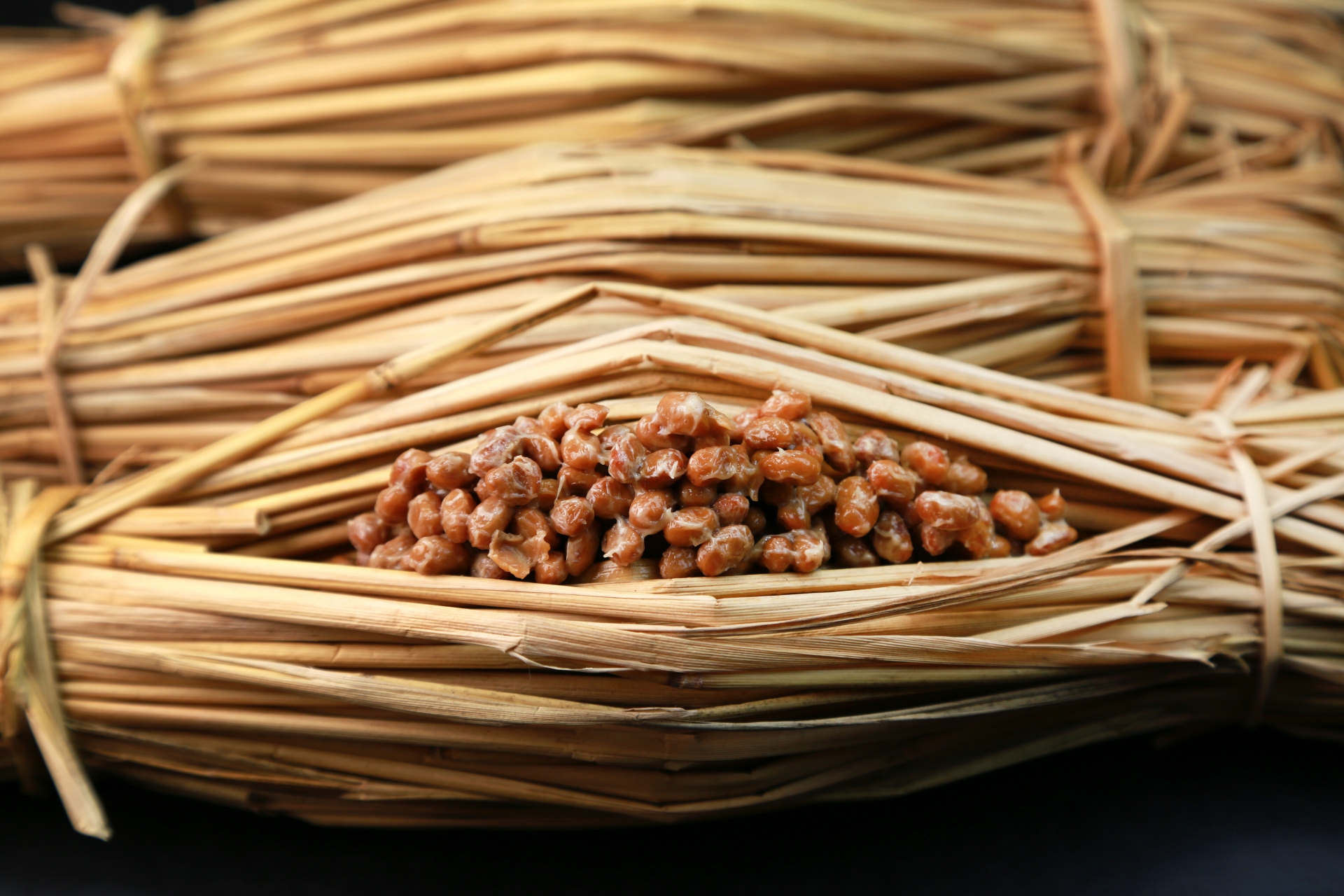
In Japan, nearly every day of the year is associated with a special commemorative day. One of these is “Natto Day,” celebrated on July 10. In this article, we explore the origins, significance, and traditional customs surrounding this unique celebration of Japan’s beloved fermented soybean dish, natto.
Why July 10 is Celebrated as “Natto Day” – From Regional Origins to a Nationwide Tradition
July 10 is officially recognized as “Natto Day” in Japan. Natto, the traditional Japanese fermented soybean dish, has been cherished by Japanese people for centuries. While Japan has countless commemorative days, it’s no surprise that natto has its own special day.
The origin of “Natto Day” (July 10) comes from a wordplay: “na” (7) + “tto” (10). It was first established in 1981 by the Kansai Natto Industrial Association as a regional effort to boost natto consumption in the Kansai area, where natto was less popular compared to other regions.
Later, in 1992, the National Natto Cooperative Federation officially recognized July 10 as a nationwide celebration, allowing all of Japan to join in honoring this iconic traditional food.

Natto Day Events Across Japan: Celebrations, Contests, and More
On July 10, Natto Day, communities across Japan host a variety of events, ranging from small local gatherings to large-scale celebrations. Local natto associations organize activities to promote natto, including recipe showcases, cooking contests, and tasting events.
The National Natto Cooperative Federation takes it a step further by selecting “Natto Queen,” “Natto King,” and “Miss Natto” to promote natto and raise public awareness. Participating in these events or exploring local celebrations is a fun way to experience Japanese culture and enjoy this iconic fermented soybean dish.
Traditional Natto Customs and Festivals in Japan
While Natto Day events on July 10 are a relatively recent phenomenon, Japan has long-standing traditions and customs related to natto.
January 6: “Natto no Toshi-tori” (Natto Year-End Tradition)
In some regions of northern Japan, January 6 is known as “Natto no Toshi-tori”. This traditional custom involves eating natto on the day of Toshi-tori, which marks the end of the year, to pray for health and safety in the coming year. On this day, natto is mashed and cooked into natto soup, and it is believed that doing so “removes the roots of all illnesses.”
Making Homemade Natto for New Year
In the prefectures of Miyagi, Yamagata, Fukushima, Tochigi, and Niigata, it was customary to prepare homemade natto for New Year celebrations. According to The Complete Record of Japanese Food Life (covering the late Taisho to early Showa period), natto in these regions was considered a special occasion food, rather than an everyday meal.
“Setsu Natto”: Natto for New Year in Kyoto
A similar tradition existed in parts of Kyoto, where New Year natto was referred to as “Setsu Natto”. This special natto was likely considered part of the Osechi Ryori—the traditional dishes served during Japanese New Year celebrations.

January 10: “Stringy Natto Day” – A Unique Celebration of Natto’s Stickiness
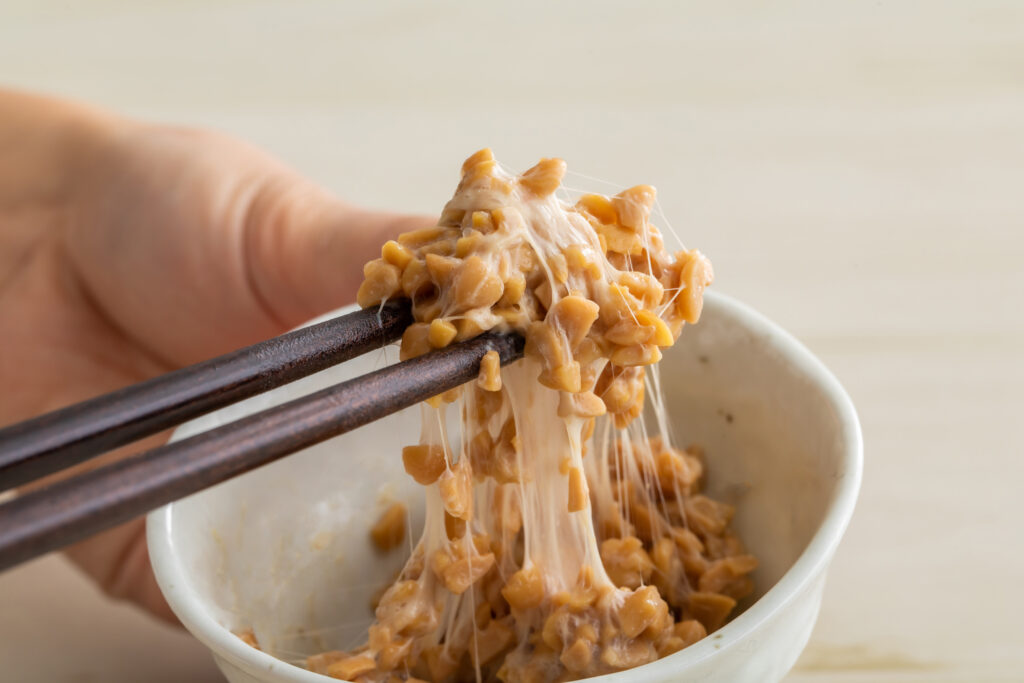
In addition to July 10’s Natto Day, January 10 has been designated as “Stringy Natto Day”. The date comes from a wordplay: “ito” (1, 10), meaning “string” in reference to the sticky texture of natto. This day was also established by the National Natto Cooperative Federation.
Since January coincides with the exam season in Japan, this celebration carries a symbolic wish: that students will succeed in their exams, inspired by natto’s characteristic stickiness and resilience. With both July 10 and January 10 recognized, natto enthusiasts have two opportunities each year to celebrate this iconic Japanese food.
Celebrate Natto: A Delicious Tradition of Health and Culture
From historical customs like “Natto no Toshi-tori” to modern celebrations on July 10 and January 10, natto holds a special place in Japanese food culture. Whether enjoyed in traditional New Year soups, homemade preparations, or as part of community events, natto is more than just a meal—it’s a symbol of health, resilience, and tradition.
If you’re curious about Japanese cuisine or looking for a fun cultural experience, joining Natto Day events or trying natto recipes at home can be a unique way to connect with Japan’s culinary heritage. With its rich history, unique flavor, and cultural significance, natto continues to delight and inspire people across Japan and beyond.
Celebrate natto, enjoy its flavor, and embrace a centuries-old Japanese tradition!
References and websites (Japanese)1)https://dietplus.jp/public/article/news/20200527-065528
2)https://food-drink.pintoru.com/natto/natto-day/
3)https://domani.shogakukan.co.jp/435323
4)http://www.natto.or.jp/index.php
5)http://www.yutari.jp/saijiki/s100113.htm
6)http://knowchi.jp/archives/951
7)https://haccola.jp/2021_01_05_10408/